
Is Buying in Bulk Really Saving You Money? The Hidden Costs No One Talks About
Warehouse stores and bulk sales can be incredibly tempting. A giant package of paper towels, a two-pack of laundry detergent, or enough snacks to feed a soccer team often seems like a smart financial decision.
And sometimes it is.
But before you load another oversized package into your cart, it's worth asking one important question:
Do I actually have the space, and the systems, to manage it?
Buying in bulk isn't just about the price tag. It comes with hidden costs that many people don't think about until their pantry, basement, or garage starts overflowing.
the cost of storage space
Every item you bring home needs a place to live.
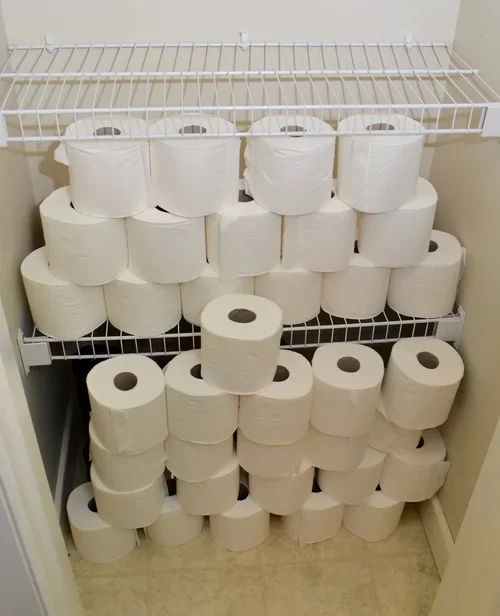
Large packages of paper products, extra toiletries, canned goods, and cleaning supplies can quickly take over closets, shelves, and garage space. Before long, you're moving things around just to get to what you actually need.
That extra storage space has value. When it's filled with excess inventory, it can't be used for the things that truly make your home more functional.
the cost of managing it all
The more you own, the more there is to organize.
Bulk purchases require you to keep track of what you have, rotate older products to the front, restock shelves, and remember what's already in your home before heading back to the store.
Without a system, it's easy to lose track of what's hiding behind that giant package of paper towels or buried beneath six bottles of shampoo.
the cost of expired or wasted products
Have you ever found expired food in the back of your pantry? Or opened a cabinet only to discover you already had three bottles of ketchup?
It happens more often than you'd think.
Buying in bulk only saves money if you actually use everything before it expires or goes bad. Otherwise, those savings literally end up in the trash.
the cost of buying duplicates
One of the biggest reasons people overspend isn't because they don't own something, it's because they can't find it.
When storage areas become crowded, it's easy to forget what you already have. Many of our clients are surprised to discover multiple unopened bottles of the same cleaner, dozens of batteries, or enough rolls of tape to last for years.
Clutter can quietly cost you money.
the cost of mental clutter
This is the hidden cost we see most often.
Overflowing pantries, crowded storage rooms, and overstuffed cabinets create visual clutter that can leave you feeling overwhelmed. Instead of making life easier, too much "stuff" can make everyday tasks feel more stressful.
Sometimes having fewer things actually gives you more freedom.
when buying in bulk makes sense
We're not saying you should never buy in bulk. In fact, it can be a great way to save money when:
You have dedicated storage space.
You regularly use the product before it expires.
You know exactly what you have on hand.
You have an organizing system that makes items easy to find and rotate.
You're buying because you need it, not just because it's on sale.
buy for your lifestyle, not just the deal
A good bargain isn't always the lowest price. It's buying the right amount for your family, your home, and your lifestyle.
If your storage spaces are overflowing, it may be worth taking a step back before making another bulk purchase. Sometimes buying smaller quantities that you can easily store and use actually saves more money, and definitely saves frustration.
Because the goal isn't to own more, it's to make your home work better for you.